Idea screening
Screen product concepts and line extensions in one study, then use the results to select ideas for further development. Choose the number of concepts around survey length and the sample available.
Concept testing
Concept testing helps you compare product ideas, messages, and creative with real respondents before you invest in production. MX8 Labs programs the study from your questionnaire document and reports preferences and feedback by segment. Fieldwork can take hours for readily available audiences; timing depends on the sample and study design.
Screen product concepts and line extensions in one study, then use the results to select ideas for further development. Choose the number of concepts around survey length and the sample available.
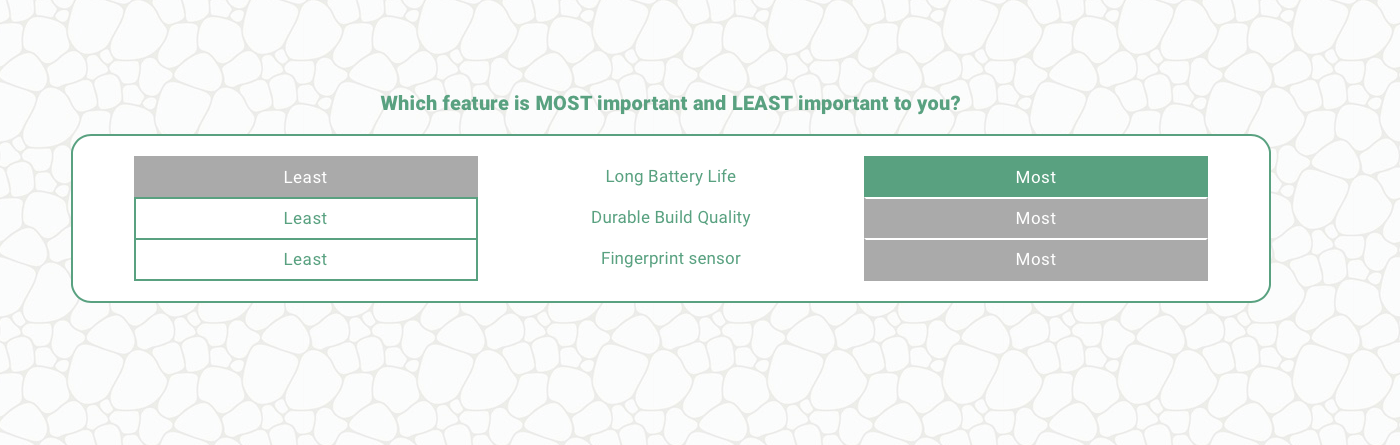
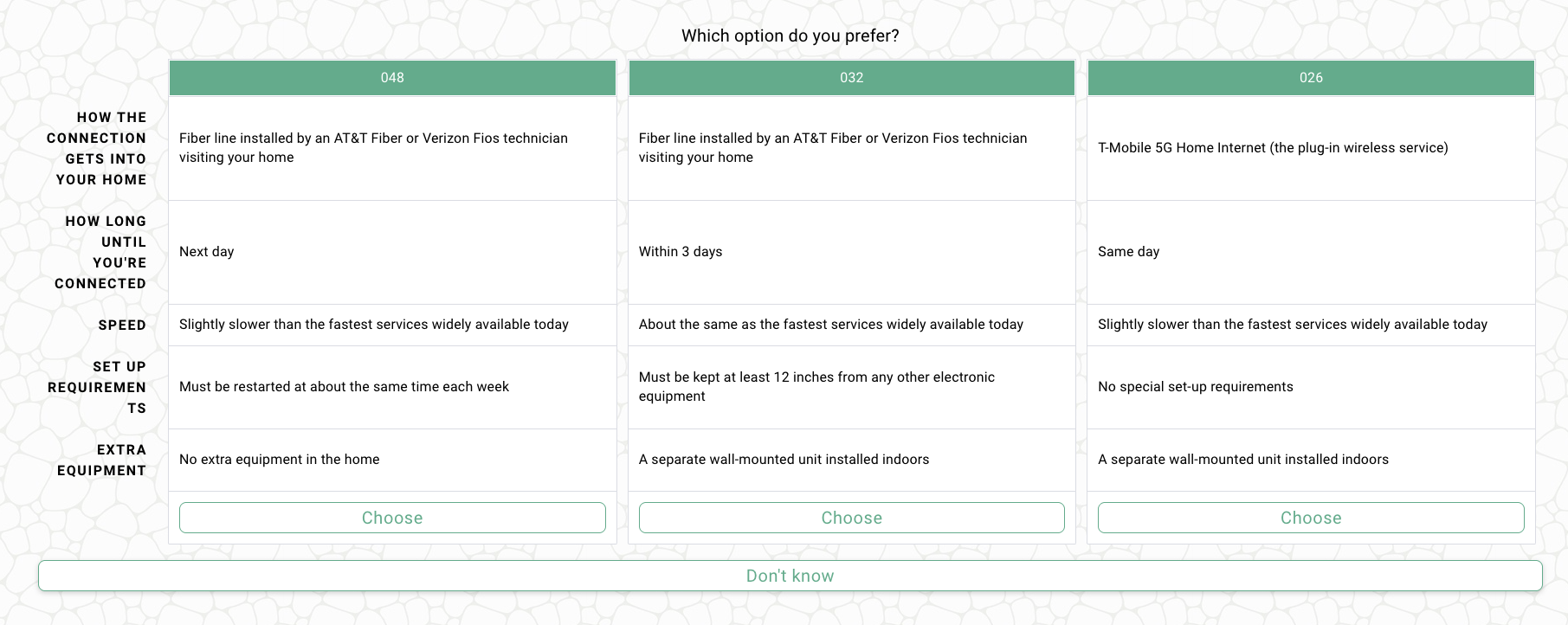
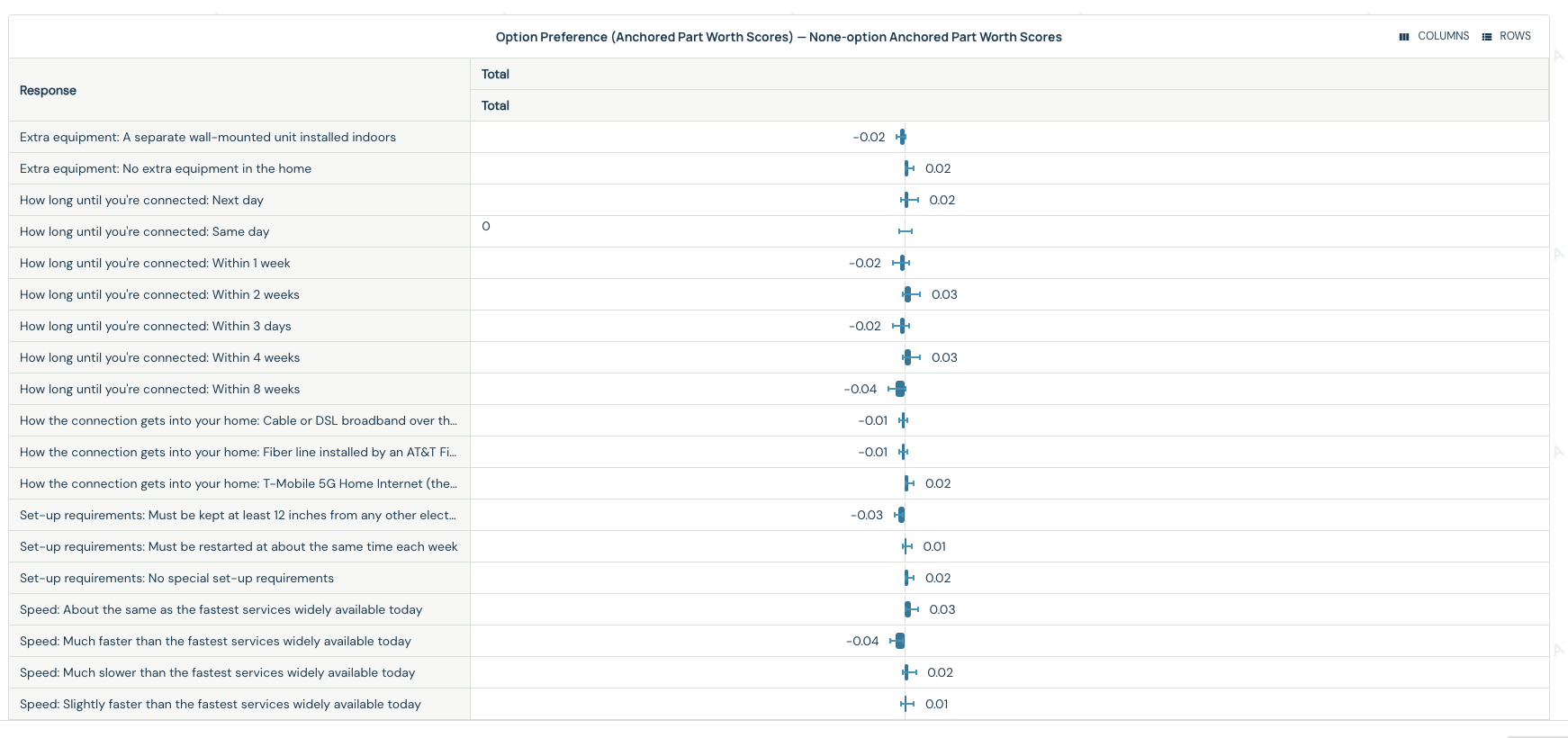
Claims and message testing, pack designs, and price testing with Van Westendorp and Gabor-Granger built in — plus Hierarchical Bayes conjoint and MaxDiff when the decision needs trade-off data.
Ad concepts, hooks, and campaign platforms — with secure DRM video playback for unreleased creative. For the full pre-flight workflow, see creative testing and ad testing for agencies.
Your concepts and questions — a Word document is enough — become a programmed study in minutes: monadic or sequential monadic, rotation, quotas, and validation handled automatically.
Fielded across 70+ integrated panels with real-time fraud detection and attention checks before a response is accepted. Weighting and significance testing run automatically as data lands.
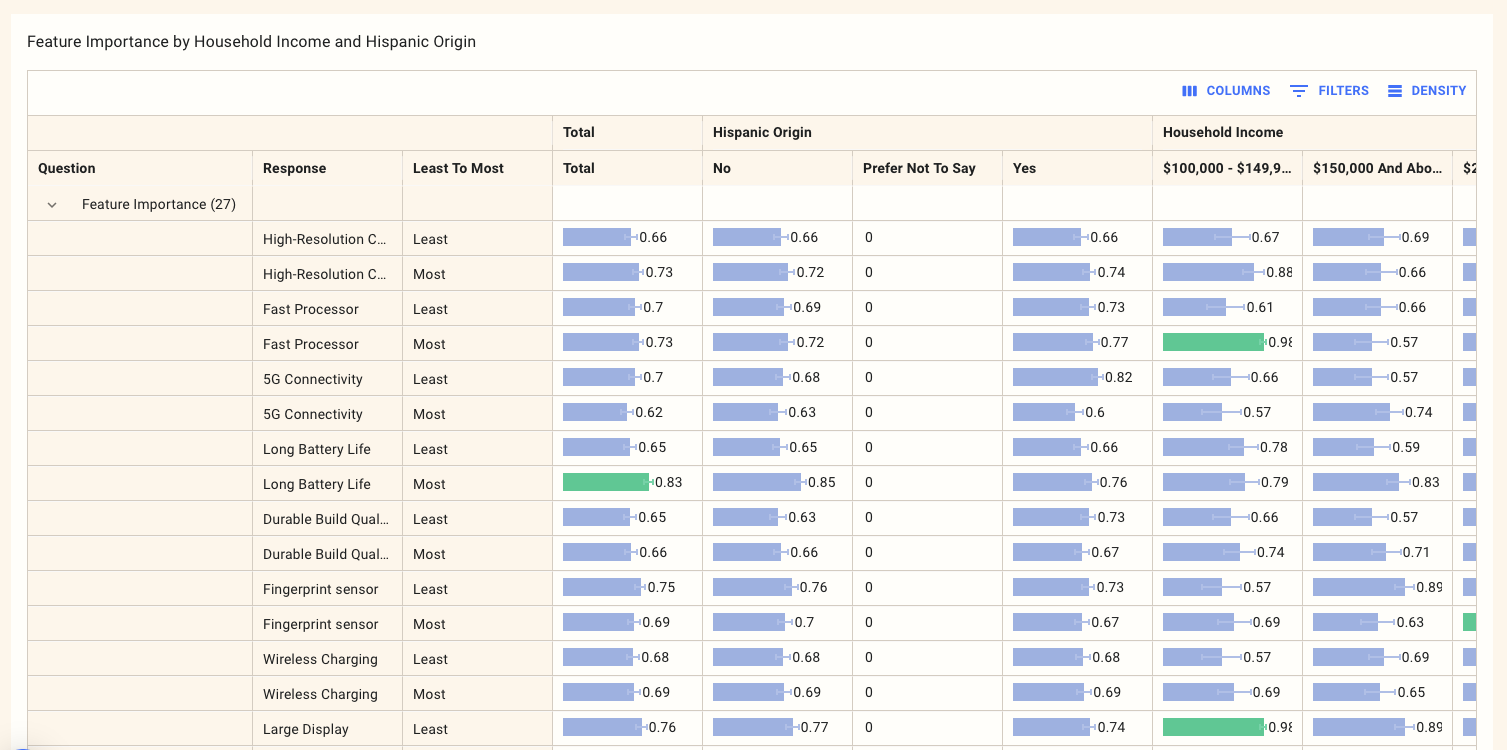
Review concept rankings overall and by segment, with open-ended reactions coded into themes. The platform drafts a report using your branding, with significance results for your team to check.
The methodology underneath is documented and reproducible — weighting, significance testing, and choice models are all covered in our documentation, so a research director can review the methods before using the results to make a launch decision.
For a product idea, start with questions like these. Use the same wording and response scales for each concept you compare, and adapt the questions when testing a service, message, or pack.
Ask respondents to explain their ratings so you can understand the reasons behind them. Purchase intent is a stated response to the concept, not a forecast of sales.
Concept testing puts an idea — a product, a claim, a pack, a piece of creative — in front of real consumers before you invest in building or launching it, and measures appeal, relevance, uniqueness, and purchase intent against alternatives or a benchmark. It helps you compare options by segment and understand the reasons respondents give for their preferences.
In monadic testing, each respondent evaluates one concept, so their ratings do not depend on concepts shown earlier in the survey. Sequential monadic testing asks each respondent to evaluate several concepts. It uses fewer respondents for the same number of ratings per concept, but earlier concepts can influence later answers. MX8 Labs supports both designs, with rotation and quotas. Choose the design around your comparisons and available sample.
A typical core: overall appeal, relevance, uniqueness or differentiation, believability, purchase or usage intent, and open-ended likes and dislikes — plus category-specific measures like price sensitivity (Van Westendorp or Gabor-Granger) where the decision needs them. Open-ended responses are coded into themes across languages, so you can compare how often respondents mention each reason.
Start with the number of concepts, the segments you need to compare, and the smallest difference that would affect your decision. Early screening can use a smaller sample than a final comparison. Use the sample size calculator to plan each group, and check audience feasibility before fielding.
Compare concepts with real respondents and review the reasons behind their preferences.