Copy and creative testing

Copy and creative testing with secure video and live dial feedback.

Test unreleased video with secure playback, capture reactions moment by moment and compare them by audience. The MX8 Labs Research Platform combines live dial questions, asset rotation and reporting.

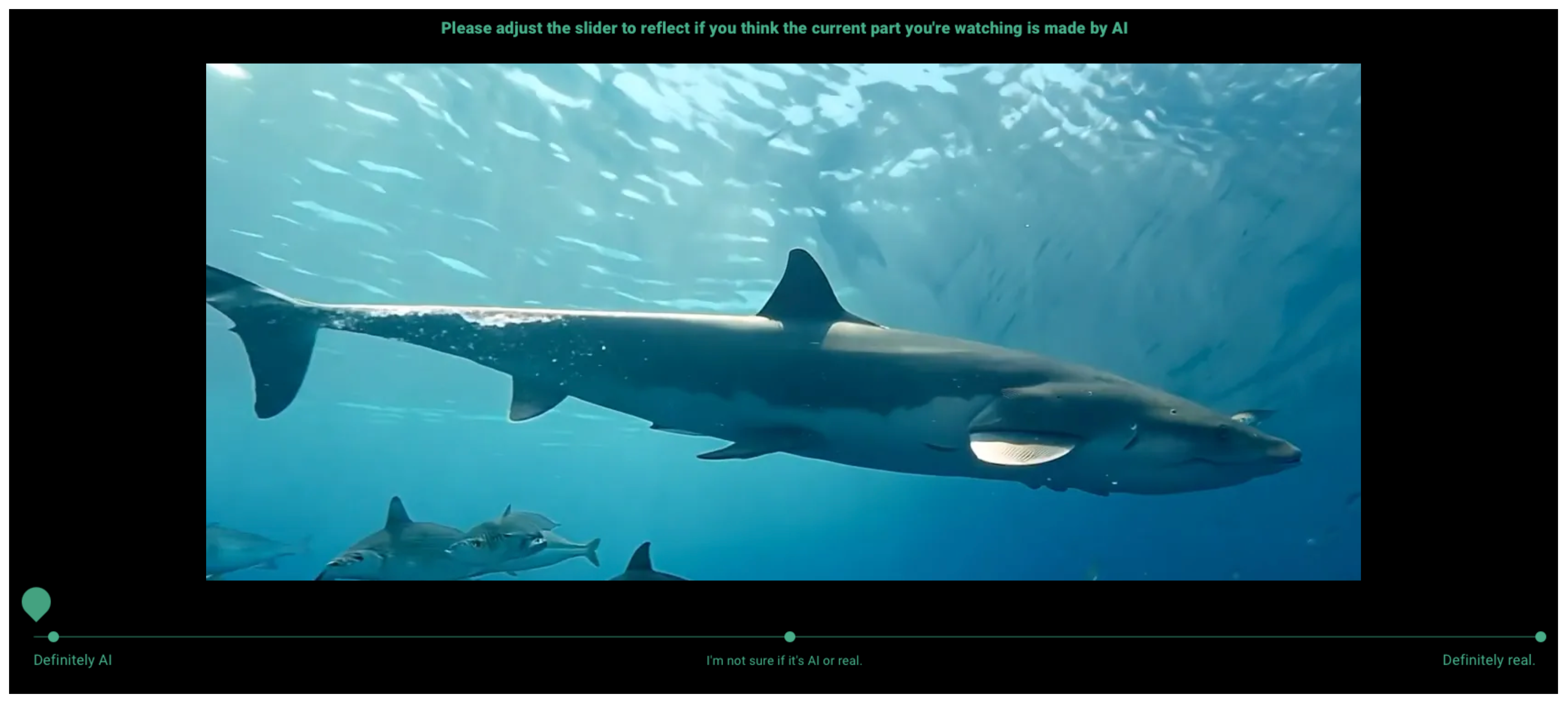
Video playback with a live reaction dial

Protect unreleased assets

Enable survey security to use DRM-protected video, traceable watermarks and short-lived media links.

Control who sees each asset

Use questionnaire logic and asset rotation to implement your study design.

Capture reactions during playback

Add a live dial labeled for interest, agreement or another response, then follow the video with recall, comprehension or other custom questions.

Review reactions alongside the video

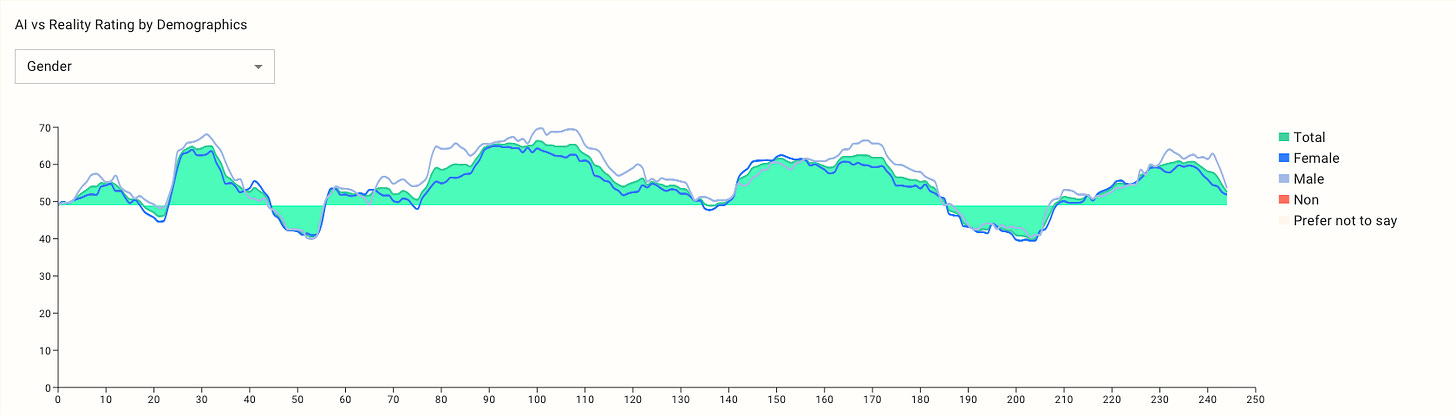
Compare response curves by audience and generate a review video with the results overlaid.

Dial response curves over time, split by audience

Respondents move the dial during playback; the report compares their reaction curves by audience.

See dial playback and reporting

Set up the creative test

Bring your assets, questionnaire, target audience, and decision deadline. Decide whether respondents will evaluate one variant or several, which measures matter, and how you will compare segments. Use your own sample partners or integrated panels; set eligibility criteria and quotas before fieldwork. The respondent sourcing guide explains the setup, and the sample size calculator helps plan each comparison group.

Check the programmed survey and asset playback before launch. As responses arrive, compare scores and audience reactions. AI codes open-ended feedback and prepares report drafts; your researchers check those outputs and recommend how the creative should change. Export the findings for the creative brief or client presentation. See the reporting guide and statistical testing method.

Example: choose which headline to develop

Illustrative study: compare three headline concepts with the intended buyers. Ask what each communicates, how relevant it feels, and why. Check whether the apparent winner also makes sense within your priority segment. If one headline attracts attention but confuses the offer, revise it and retest before production. See the creative testing guide for how to connect scores and respondent feedback to the decision.

Creative testing questions

What should we bring to a creative test?

Bring the assets or concepts, the audience definition, the decision you need to make, and the questions or measures you want to compare. Agree how each respondent will see the variants before programming; random assignment or rotation helps limit order effects.

How many respondents do we need?

Plan the sample for each variant and audience segment, around the smallest difference that would change your decision. A total sample can look large while individual comparison groups remain small. Check recruitment feasibility and use the sample size calculator before fielding.

Can a creative test finish the same day?

A short study with a readily available audience may field within a day. Narrow targets, low incidence, quotas, asset review, and the sample required for useful comparisons can take longer. Agree the fieldwork plan and decision deadline before launch; statistical significance is not guaranteed.

Does a winning creative test predict sales?

Survey responses show how the recruited audience reacts to the tested assets. Appeal, recall, and stated purchase intent are not sales forecasts. Review uncertainty and the reasons behind the scores, then use in-market performance to learn how the chosen creative works in its actual context.

Need fast answers before launch?

Bring the creative, audience and decision deadline. See secure playback, dial feedback and audience comparisons in a demo.