Use your own audience sources or panels
Recruit from first-party lists, existing sample partners or integrated panels, with eligibility criteria and quotas for each audience.

For agencies and marketing teams
Learn what buyers understand, why they prefer one message and how they react to the creative. Use first-party lists or panel respondents, custom questions and audience comparisons in the MX8 Labs Research Platform.
Explore campaign research for audience questions, message comparisons and secure video studies.
Choose the audience sources, questionnaire logic and comparisons for your campaign study.
Recruit from first-party lists, existing sample partners or integrated panels, with eligibility criteria and quotas for each audience.
Ask about specific messages or assets, with questionnaire logic that routes respondents to the relevant questions.
Define exposure and control groups, choose outcomes and audience cuts, and inspect lift alongside uncertainty.
Export Excel tables, individual question tabs or CSV data for analysis and client presentations.
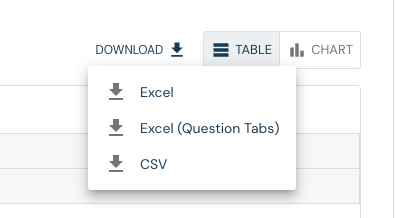
Download the report as Excel tables, separate question tabs or CSV data.
See data and report exportsStart with the brief, assets or messages, audience criteria, questionnaire, and decision deadline. For brand lift, also agree how exposure and the control group will be identified.
Use your own sources or integrated panels. Plan each comparison group, set quotas, and review the programmed survey. Recruitment, survey length, and the sample needed determine fieldwork timing.
Read segment comparisons alongside coded open-ended answers and report drafts. Export the findings for a creative brief, media plan or client presentation.
Review respondent sourcing, data and report exports, and the lift measurement method.
Investigate audience needs, compare messages, test creative and measure brand outcomes at different stages of the campaign.
Ask buyers about their needs, purchase occasions and reasons for choosing a brand. Compare those answers by segment to inform targeting and the creative brief.
Use MaxDiff to rank competing claims, then ask respondents what each message communicates and why it matters. Compare the choices and reasons by audience.
Test concepts, hooks or finished assets before committing to production or media. Dial feedback shows where reactions change during a video; follow-up questions explore what viewers understood.
Ask the campaign audience what they noticed, understood or found confusing. Use their explanations alongside CTR and conversion data to develop the next variant.
Compare awareness, perception and intent between exposed and control groups. Define exposure before fielding and use the study design to determine which causal conclusions the comparison supports.
Ask current and lapsed customers about satisfaction, repeat-purchase drivers and reasons for leaving. Use those responses to investigate churn and develop retention messages.
A/B tests compare live variants. Research helps your team decide which ideas are worth taking into those tests and understand why a message is clear, relevant, or confusing to the audience.
Use respondent feedback to develop sharper hypotheses, then use campaign performance to learn how they work in market. Both become inputs to the next decision.
Illustrative example: a client's two messages attract similar clicks, but your team needs to choose the next creative direction. Recruit the intended audience, test understanding and relevance, and ask why. If a message attracts attention but misstates the offer, revise it before the next live test. Stated intent is not a conversion forecast.
Start with the campaign question, audience, and decision deadline. Scope the research alongside the creative and media work, with platform pricing quoted from survey length and respondent count. There are no seat or feature fees; sample and data-ingestion costs are separate where applicable. See pricing for details.
Use surveys to investigate audience needs, message understanding, creative reactions, and brand perceptions. Choose the study around a specific decision. Surveys add declared responses to your performance data; they do not replace observed conversion metrics.
You can connect first-party lists or existing sample partners, or use integrated panels. Agree permissions, eligibility, quotas, and the groups you need to compare. Recruitment feasibility and sample composition affect timing and how broadly you can interpret the findings.
That depends on the design. Randomized exposure supports stronger causal conclusions; matched or reported exposure can retain confounding. Define exposure and the control group before fielding, and report the design and limitations alongside the results.
Your researchers design the study, check AI-generated coding and report drafts, and turn the findings into client recommendations. The MX8 Labs Research Platform automates survey programming, data processing and report preparation.
Bring the assets and audience. See custom questions, audience comparisons and reports in a demo.